

Amazon in the Dominican Republic: Between Opportunity and Disruption
Amazon’s arrival in the Dominican Republic opens new opportunities—but also intensifies competition. The real question: how will local businesses and institutions respond?
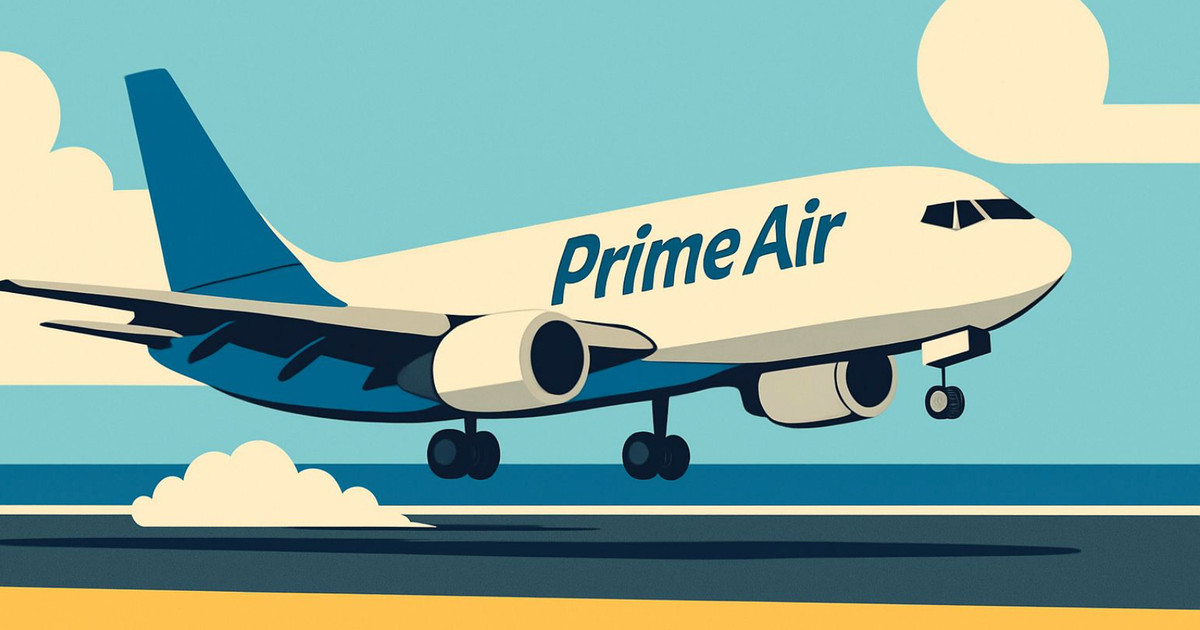
Amazon’s arrival in the Dominican Republic marks a turning point — a powerful reminder that globalization brings both bridges and battles.
This September, Amazon Air began operating from Las Américas, SDQ — its first Caribbean hub — with weekly cargo flights linking Miami to Santo Domingo.
For many local businesses, this moment can open doors. Importers and distributors can rethink inventory cycles. Logistics providers can specialize, i.e. in cold chain, food-grade storage, last-mile routes global carriers don’t want. And entrepreneurs can build value-added services around the new flow of goods: packaging, bundling, fulfillment, export prep for neighboring islands.
But Amazon’s arrival also heightens competition — especially for micro and small businesses, brick-and-mortar retailers and traditional local distributors already operating on tight margins. Consumer expectations will rise. Price pressure will intensify. And without the regulatory buffers seen in regions like the EU, the risks of market dominance are real. The Dominican Republic will need its own strategy — one supported by strong public policy — to protect the local economy and help industries adapt rather than absorb the impact alone.
Because innovation is also about how a nation responds to disruption: how companies evolve, how institutions guide the transition, how entrepreneurs spot openings in the noise, and how consumer needs are better met.
Amazon brings scale. The Dominican Republic brings creativity, cultural insight, and proximity to consumers — strengths that have long fueled Dominican ingenuity.
Amazon’s infrastructure won’t automatically create a regional trade corridor — it will create an Amazon corridor, optimized for its own network. But if local businesses and institutions move intentionally, they can build a broader corridor around it: one that strengthens regional trade, accelerates exports, and amplifies local value rather than replacing it.
Amazon will disrupt and reshape. It’s what Amazon does. The opportunity lies in how the Dominican Republic chooses to shape everything around it — not with resistance, but with strategy.